
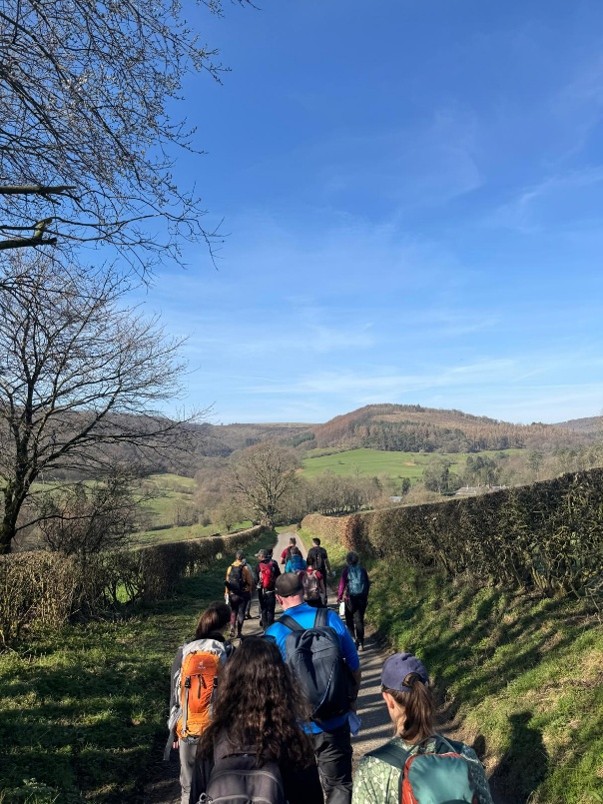
In a world of relentless meetings, constant notifications, and digital overload, many teams are operating in a state of low-grade disconnection. As a leader, your role goes beyond driving outputs - you shape the conditions for trust, engagement, and a sense of shared purpose. And sometimes, the most powerful intervention isn’t another strategy session - it’s stepping outside. A thoughtfully designed development walk in the countryside, guided by a skilled facilitator, can unlock connection, insight, and energy in ways that traditional settings rarely achieve. This can create measurable impact on engagement, belonging, and ultimately, business performance.
Employee wellbeing is not simply about helping people feel happier at work. It is about creating an environment where individuals can perform at their best, remain engaged and contribute positively to the success of the business.
When wellbeing is neglected, organisations often experience higher absence levels, increased staff turnover, reduced productivity and lower employee engagement. When wellbeing is prioritised, businesses benefit from healthier, more motivated and more committed teams.
The business case for wellbeing
Employees who feel supported are more likely to be engaged in their work, collaborate effectively and remain with their employer for longer.
Good wellbeing practices can help organisations:
- Improve employee engagement
- Increase productivity and performance
- Reduce absence levels
- Improve retention
- Strengthen workplace culture
- Enhance customer experience
In a competitive market, wellbeing can also play an important role in attracting and retaining talented employees.
Wellbeing starts with leadership
One of the biggest influences on employee wellbeing is leadership. Employees are more likely to feel supported when managers take time to listen, communicate effectively and show genuine concern for their team’s wellbeing. Creating a positive culture is not about introducing a few wellbeing initiatives. It is about ensuring leaders have the skills and confidence to create environments where people feel valued, trusted and supported.
Listening to your people
Many organisations make assumptions about how employees are feeling. The most successful businesses take the time to ask. Understanding what employees think about workload, communication, leadership and wellbeing provides valuable insight into where improvements can be made. Gathering feedback is only the first step. Acting on that feedback is what creates meaningful change.
How Pro-Development can help
At Pro-Development, we help organisations create workplaces where people and businesses thrive. Through our Employee Engagement Surveys, Leadership Development Programmes and Consultancy Support, we help organisations understand what their people need and develop practical action plans that improve engagement, wellbeing and performance.
Whether you are looking to strengthen your workplace culture, develop your leaders or better understand employee wellbeing, we can help. Call us on 01904 628838 for a chat. When organisations invest in their people, everyone benefits.
Written by: Sue O Boyle
Published: 20 August 2026
Blog Articles
Reflecting on 15 years of sprinkling magic at Pro-Development
Why DiSC Team Days Are a Game-Changer for Connection and Performance
Why every leader should take their team into the countryside for more than just fresh air
Employee wellbeing: Why it matters more than ever in businesses today
Burnout in your team is costing your business more than you think
Dare to go there! What really happens in coaching and why it works
“I haven’t got time for this” – why taking time for coaching matters
“Pro-Development have been nothing short of fabulous for our Charity. The Island, a mentoring charity supporting children and young people across York, recently underwent a significant shift in strategic direction. As part of this, we needed... more Consultancy
The IslandYou may also like...

Grow and develop your people, teams and business
Start your journey...